Hyperpigmentation treatment in Baton Rouge at Derma
Dark spots, sun spots, melasma, and post-acne marks each have a different cause, and the cause decides the treatment.

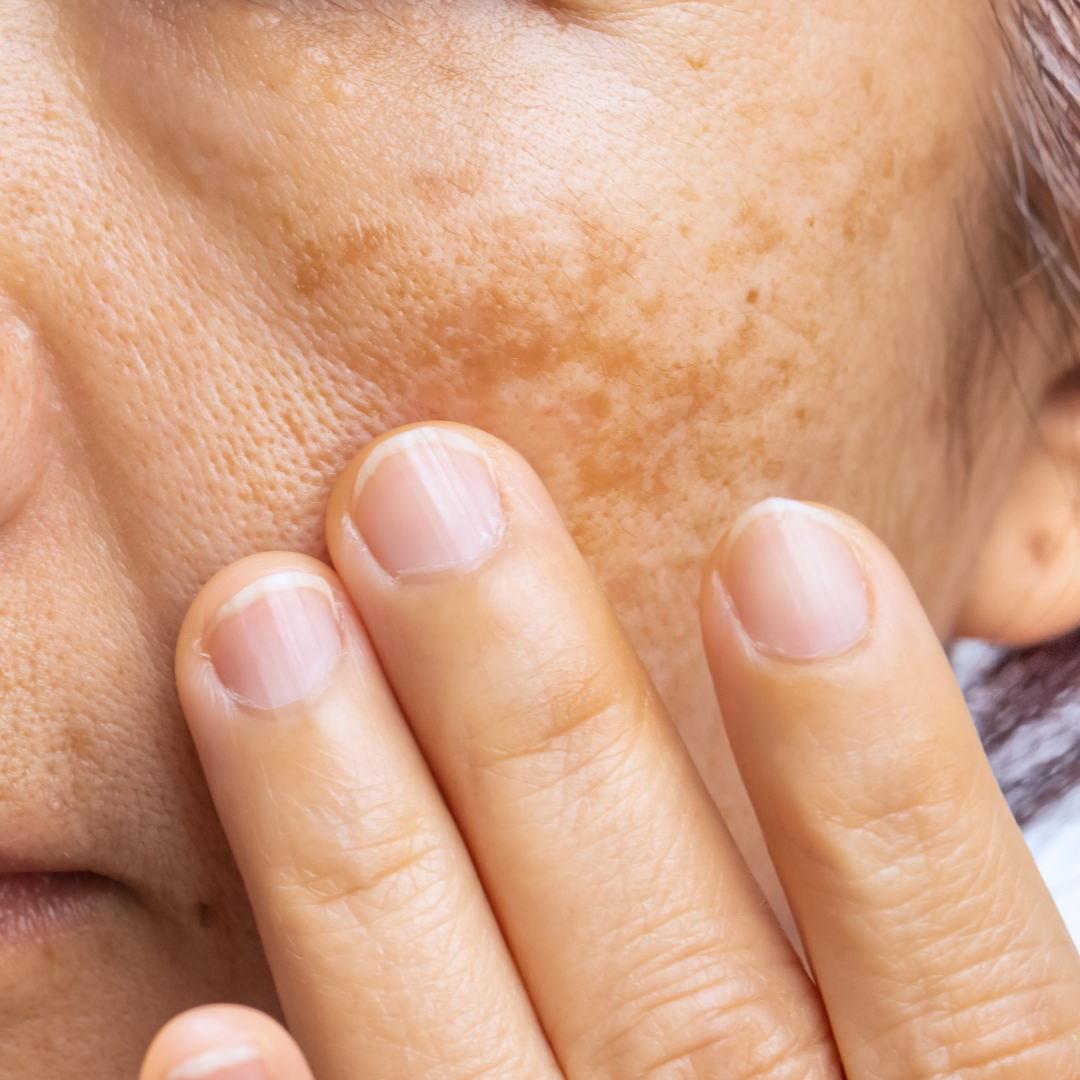
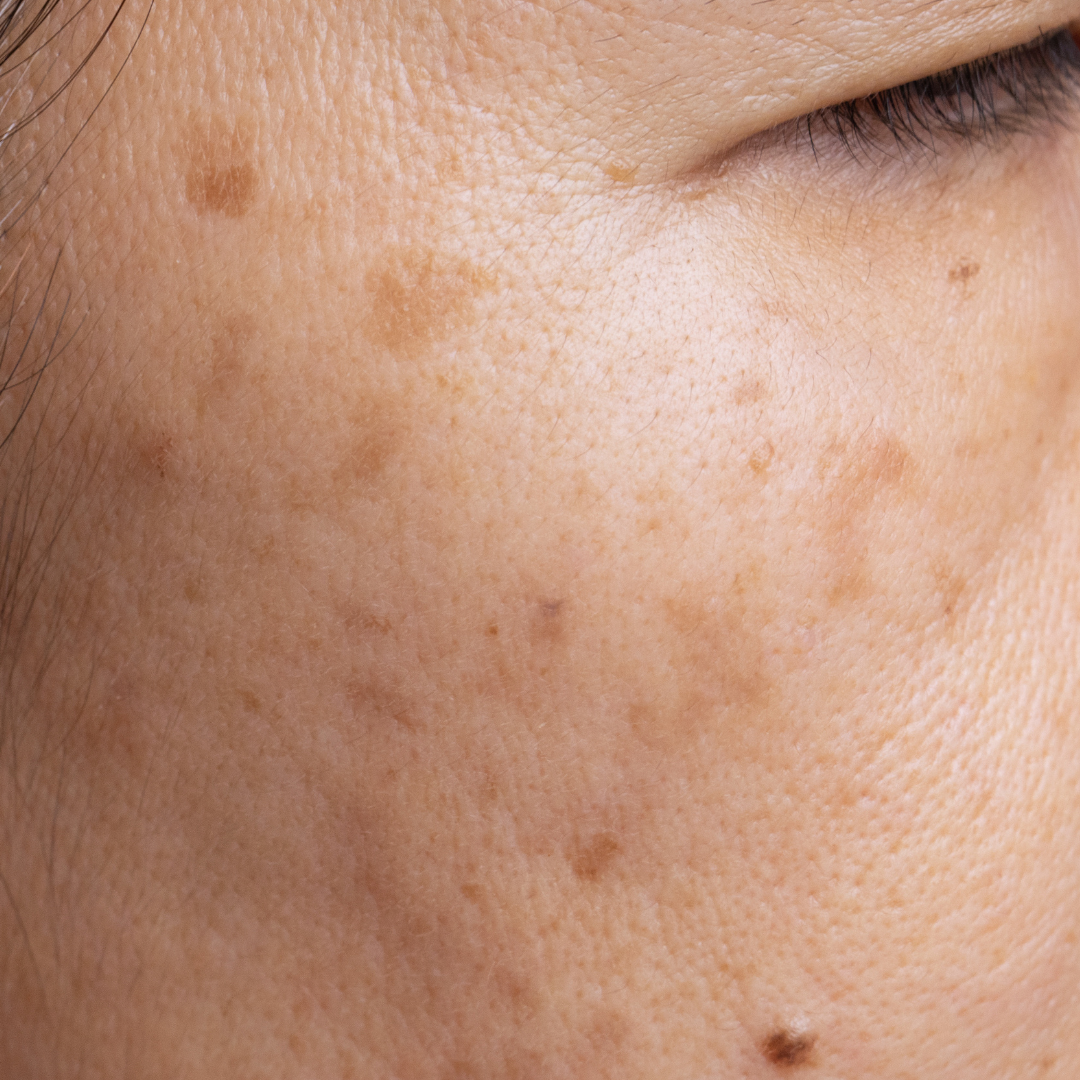
Hyperpigmentation is the general term for patches of skin that are darker than the skin around them. It shows up as freckling and sun spots, as the brown marks acne leaves behind, or as the larger symmetrical patches of melasma across the cheeks, forehead, and upper lip. It is one of the most common reasons people come in about their skin.
The catch is that dark spots that look alike can have different causes, and a treatment that clears one type can make another worse. At Derma, hyperpigmentation treatment begins with an evaluation to identify what kind of pigment you have, then builds a plan around it, from prescription creams to light and laser treatments and peels.
Call 225-303-9500 to Learn more!
What is a Hyperpigmentation?
Hyperpigmentation happens when skin cells produce extra melanin, the pigment that gives skin its color, in one area. The trigger can be sun exposure, inflammation from a breakout or injury, hormones, or a combination. The extra pigment settles in the upper layers of the skin, or in some cases deeper, and shows as a spot or patch that does not fade on its own.
How deep the pigment sits and what triggered it determines which treatment will work. Surface pigment from sun damage responds to light-based treatments and peels. Pigment driven by hormones and heat, as in melasma, needs a gentler approach and often starts with medication rather than a device.
Not every dark spot is hyperpigmentation, and not every brown spot is harmless. Some skin cancers can look like a dark spot or a changing freckle. Because Derma is a dermatology practice, your evaluation includes a look at the spot itself, not just its color, so anything that needs a closer look is caught before cosmetic treatment begins.
What it Treats:
Patients are commonly evaluated for hyperpigmentation treatment to address:
Sun spots and age spots on the face, chest, and hands
Melasma, the symmetrical brown or gray-brown patches often linked to hormones, pregnancy, and sun
Post-inflammatory hyperpigmentation, the dark marks left behind after acne, a rash, or an injury
Freckling and overall uneven skin tone from cumulative sun exposure
Dark spots on deeper skin tones, which need treatment settings chosen with care
Dullness and blotchiness that makeup no longer covers well
Why Choose Hyperpigmentation Treatment
at Derma
Because different types of pigmentation respond differently to treatment, an accurate evaluation is an essential first step. Certain light- and heat-based treatments may worsen melasma, while inappropriate treatment settings can increase the risk of additional pigmentation, particularly in deeper skin tones. Your treatment plan should be guided by the type of pigmentation, your skin tone, and your individual skin health needs.
At Derma, medical and aesthetic care are under one roof. Your provider can prescribe the creams that do the heavy lifting on melasma and post-acne marks, and pair them with in-office treatments that will help enhance your results when appropriate. Skin tone, sun habits, hormones, and the medications you take are all part of the plan.
How to get rid of hyperpigmentation
Treatment depends on the type of pigmentation, its underlying cause, and your skin's individual needs. A personalized plan may combine daily protection, a topical treatment that slows pigment production, and, when appropriate, an in-office treatment that clears the pigment already there. These are the hyperpigmentation treatments available at Derma.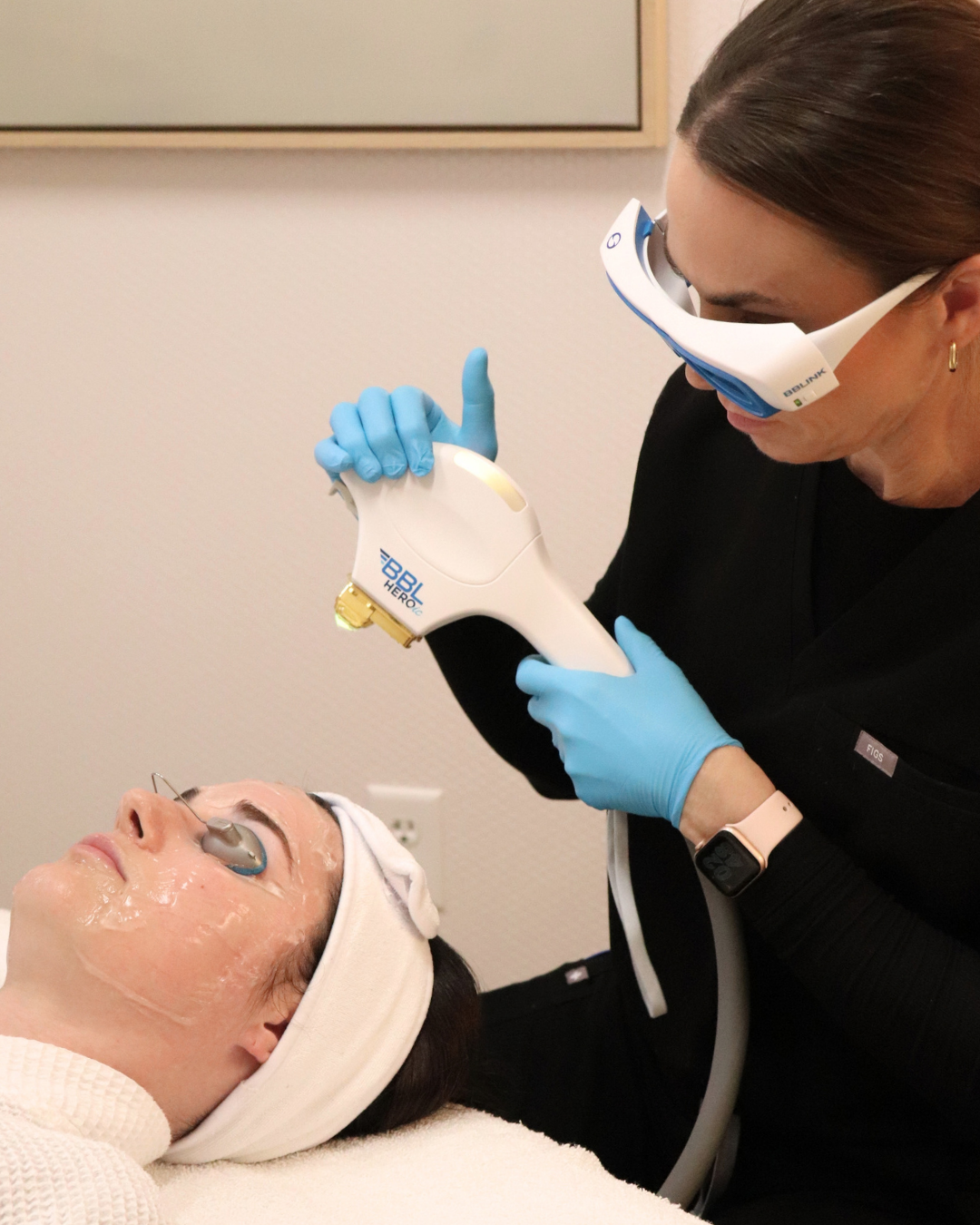
Prescription and medical-grade topicals
The foundation of almost every plan. Prescription hydroquinone, tretinoin, and tranexamic acid, along with medical-grade options such as vitamin C, azelaic acid, and kojic acid, slow the production of new pigment while the skin turns over the old. Topicals are the first-line treatment for melasma and post-inflammatory hyperpigmentation, and they protect the results of any in-office treatment.
Light and laser treatment for hyperpigmentation
BBL HEROic may help improve the appearance of selected sun spots and other forms of superficial pigmentation. MOXI is a fractional laser that may improve uneven tone and visible signs of sun damage. The appropriate treatment depends on the type and depth of pigmentation, skin tone, and individual risk factors. Because certain energy-based treatments can aggravate melasma, careful evaluation is especially important before proceeding. Learn more about BBL HEROic and MOXI at Derma.
Chemical peels for hyperpigmentation
A chemical peel removes the outer, pigmented layers of skin in a controlled way and speeds up the turnover that fades dark marks. Peels are a workhorse for post-acne marks and uneven tone, can be adjusted for deeper skin tones, and are one of the safer in-office options for melasma when used gently and in a series.
Sun protection
Wearing SPF is a requirement. Sun exposure is the trigger for most hyperpigmentation and the reason it comes back. Daily broad-spectrum SPF 30 or higher, reapplied outdoors, is part of every plan, and for melasma a tinted mineral sunscreen that also blocks visible light is recommended.
Melasma treatment
Melasma deserves its own mention because it behaves differently from other dark spots. It is driven by hormones, heat, and light, which is why it often appears or worsens during pregnancy, with birth control, or after a summer outdoors. It sits in a symmetrical pattern across the cheeks, forehead, upper lip, or chin, and it is notorious for returning after treatment.
Melasma treatment at Derma starts with prescription topicals and strict sun and heat protection, because those control the underlying process. Oral tranexamic acid may be considered for stubborn cases. In-office treatments such as gentle peels are added carefully, and light and laser treatments are used sparingly, if at all, since heat can trigger a flare. Melasma is managed rather than cured, and a good maintenance plan is what keeps it quiet.
What to expect
Treatment begins with an evaluation of your skin to identify the type of pigment, rule out anything that needs medical attention, and review your history, including sun habits, hormonal factors, and any products you are already using. From there your provider recommends a plan, which almost always starts with a topical routine and sun protection and may add in-office treatments.
Improvement takes time, and the timeline varies by condition and treatment approach. Topical regimens may require several months of consistent use, while some in-office treatments can produce visible changes sooner.. After BBL, pigmentation may temporarily darken before gradually clearing over the following weeks. After MOXI, the skin appears pink before MENDs appear and gradually flake away over following days to reveal a brighter, more even complexion. After a chemical peel, the skin may flake or peel over the following week before revealing clearer skin.
Sun protection is not optional. Treated skin is more sensitive to light, and one unprotected afternoon can bring back what weeks of treatment cleared. Keep the area protected with broad-spectrum SPF and a hat, and avoid heat and direct sun in the days after any in-office treatment.
Your results
Sun spots and age spots usually respond fastest, often with visible clearing after one or two light treatments. Post-acne marks and uneven tone improve over two to three months of topicals, with in-office treatments speeding things up. Melasma is the slowest and least predictable, and improvement is measured over months rather than weeks.
It is important to have realistic expectations. Hyperpigmentation can be significantly improved, but the tendency to develop it does not go away, and sun exposure brings it back. Sun spots can be cleared and then prevented. Melasma is controlled and maintained. Your provider will tell you what is realistic for your skin and build a maintenance plan around it rather than a one-time fix.
Frequently asked questions
-
Hyperpigmentation is any patch of skin that is darker than the surrounding skin because it contains extra melanin, the pigment that gives skin its color. Common types include sun spots, post-acne marks, and melasma. The trigger, usually sun, inflammation, or hormones, determines which treatment works.
-
The most common causes are sun exposure, inflammation from acne or injury, and hormonal changes such as pregnancy or birth control. Some medications and heat can also contribute. Many people have more than one cause at once, which is why an evaluation comes before treatment.
-
Not usually, but it can be stubborn. Sun spots and post-acne marks typically fade with treatment and sun protection. Melasma can be controlled but tends to return, so it is managed with ongoing maintenance rather than cured. The tendency to develop dark spots does not go away, which is why daily sun protection matters.
-
Yes, with the right approach. Deeper skin tones are more prone to post-inflammatory hyperpigmentation and more sensitive to heat-based treatments, so topicals and carefully chosen peels are often the mainstay, and any light or laser treatment is selected and adjusted for your skin tone. Your evaluation covers what is safe for you.
-
It depends on the type. Sun spots respond well to BBL light treatment, MOXI, and peels. Post-acne marks respond to MOXI, topicals, and peels. Melasma is treated first with prescription creams and strict sun protection, with gentle peels added carefully. Most plans combine a daily topical routine with in-office treatments.
-
A light peel leaves skin pink for a few hours with little or no flaking. A stronger peel causes redness for a day or two followed by three to seven days of visible peeling. Most people return to normal activities right away and can wear makeup once peeling has stopped.
-
Cost depends on the type of pigment, which treatments your plan includes, and how many sessions you need. Cosmetic treatments such as BBL, MOXI, and peels are not covered by insurance. A medical evaluation for a concerning spot may be. The clearest way to get a number is an evaluation, where we look at your skin and give you a personalized plan and quote.
-
Keep the skin moisturized, do not pick or pull at peeling skin, avoid exfoliants and active skincare until the skin settles, and protect it from the sun with broad-spectrum SPF. You will receive written instructions at your visit.
-
Melasma is one type of hyperpigmentation. What sets it apart is the cause: it is driven by hormones, heat, and light rather than sun damage alone, it appears in symmetrical patches, and it tends to come back. That is why melasma is treated with prescription topicals and sun protection first, and heat-based treatments are used cautiously if at all.