Acne Scar Treatments in Baton Rouge at Derma
Acne scars come in several types, and each responds to different treatment. Your plan starts with knowing which kind you have.
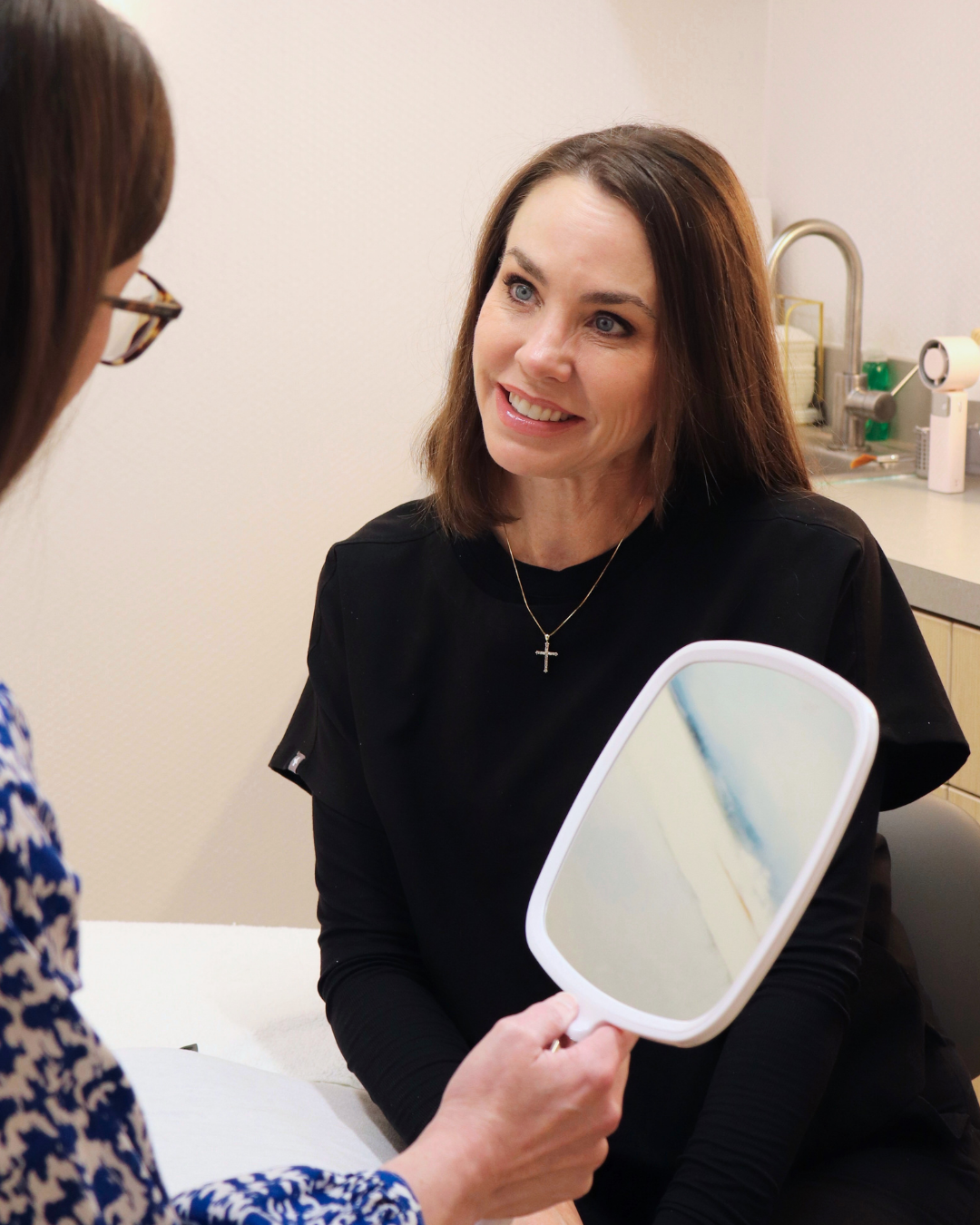
Acne can leave marks long after the breakouts stop. Some are pitted or uneven areas of texture, others are red or brown spots that fade slowly or not at all. They are common, and many can be improved with the right treatment. The best approach depends on the type of scarring, your skin, and what you are looking to improve.
At Derma, acne scar treatment begins with an evaluation of your skin to identify the types of scarring present and build a plan around them. Because acne scars are treated in a dermatology practice, active breakouts can be addressed at the same time, which matters, since scar treatment works best on skin that is no longer breaking out.
Call 225-303-9500 to Learn more!
What are Acne Scars?
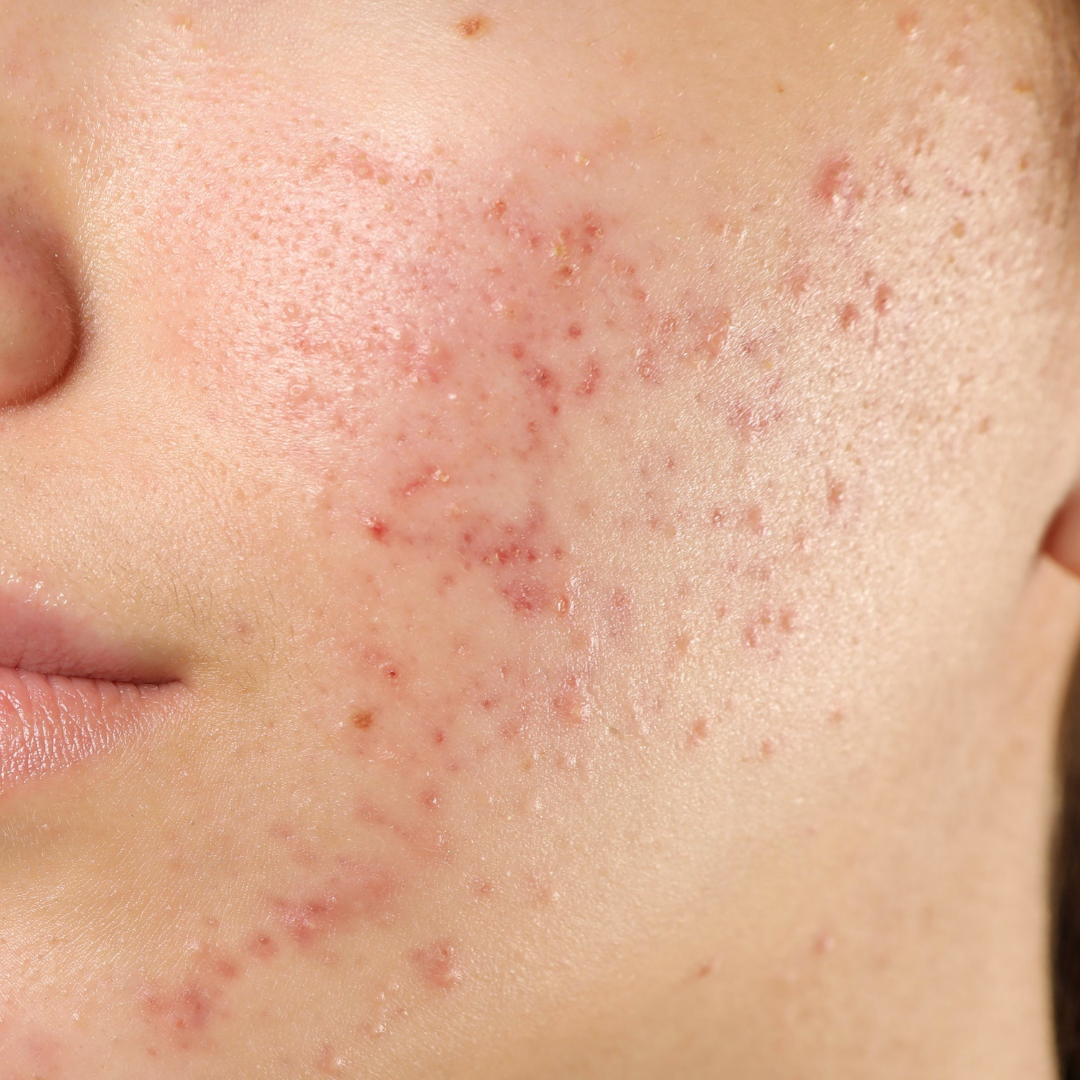
Acne scars form when a breakout damages the deeper layers of the skin and the skin repairs itself imperfectly. When too little collagen is produced during healing, the result is a depressed or pitted scar. When too much is produced, the result is a raised scar. Inflammation can also leave behind flat red or brown discoloration that is not technically a scar but is often treated alongside them.
The type of scar determines the treatment. Texture scars need treatments that rebuild collagen and smooth the surface. Discoloration needs treatments that target color. Many people have more than one type, which is why a combination plan is common.
Not every mark responds the same way. Rolling and boxcar scars and discoloration generally respond well to the treatments below. Deep ice pick scars are the most stubborn and may need a different approach, which your provider will discuss with you. If you are still breaking out, that is addressed first, since treating scars on active acne can make both worse.
What it Treats:
Patients are commonly evaluated for acne scar treatment to address:
Rolling scars, the broad, shallow dips that give skin a wavy texture
Boxcar scars, wider depressions with defined edges
Ice pick scars, small but deep pits, often on the cheeks
Raised or thickened scars from severe or cystic acne
Red marks that remain after breakouts heal (post-inflammatory erythema)
Brown or dark spots left behind by acne (post-inflammatory hyperpigmentation)
Uneven texture, enlarged pores, and dullness on acne-prone skin
Why Choose Acne Scar Treatment at Derma
Acne scar treatment is where matching the treatment to the skin matters most. A treatment that smooths rolling scars does little for brown spots, and a treatment for redness will not fill a pit. At Derma, your evaluation identifies what is actually on your skin before anything is recommended.
Derma is a dermatology practice, not a standalone med spa. If active acne is still part of the picture, medical dermatology can bring it under control while scar treatment is planned, so the results you get are not undone by the next breakout. Skin tone, scarring history, and any recent acne medication are all taken into account before treatment begins.
What is the best treatment for acne scars?
There is no single best treatment, because there is no single kind of acne scar. The best plan is usually the one that matches each type of scar on your skin to the treatment that addresses it, and often that means more than one. These are the acne scar treatments offered at Derma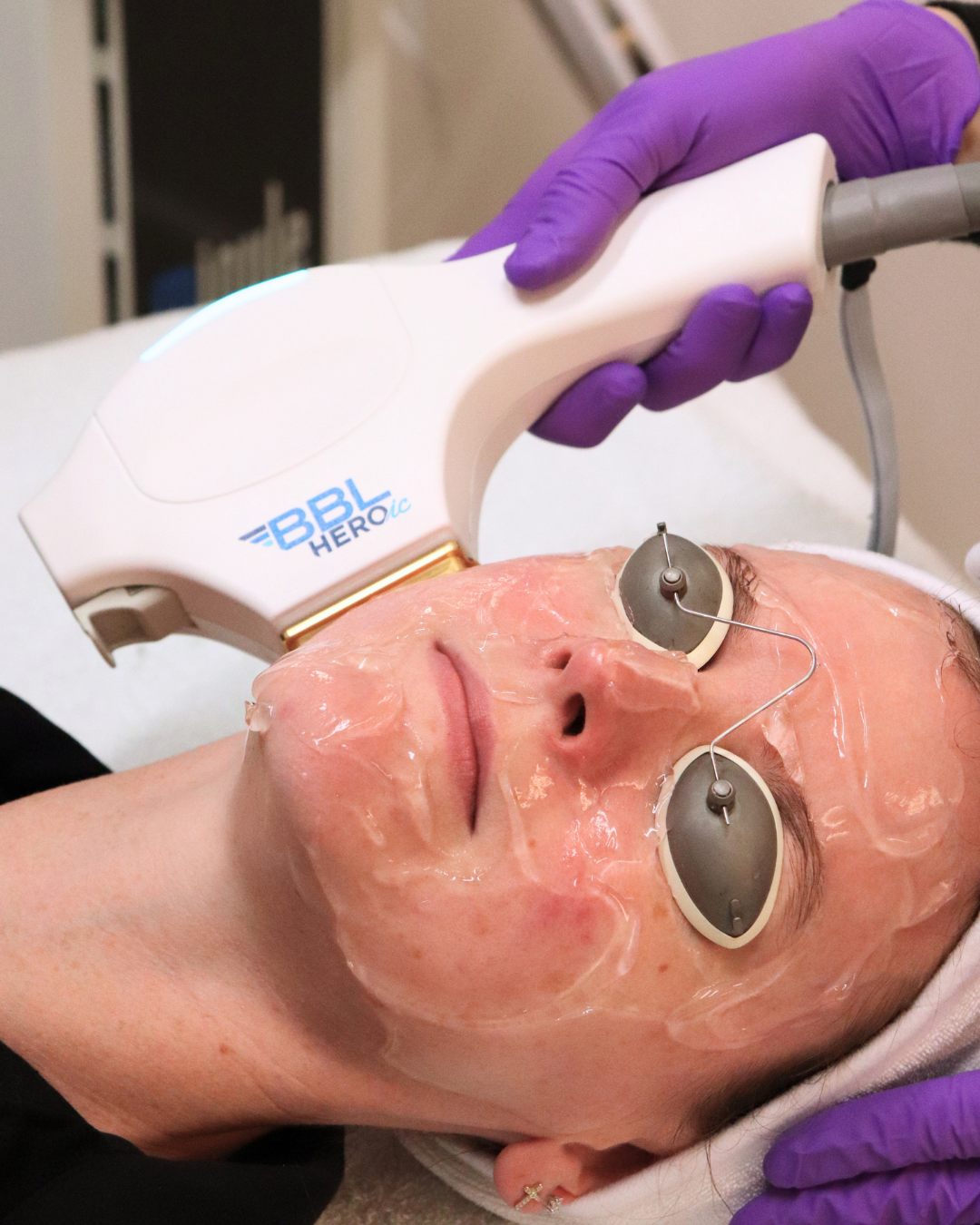
Microneedling for
acne scars
SkinPen microneedling creates controlled micro-injuries in the skin that trigger new collagen production. Over a series of sessions, that new collagen fills in and softens rolling and boxcar scars and refines overall texture and pores. Because it works mechanically rather than with heat or light, it is an option across a wide range of skin tones. Learn more about SkinPen microneedling at Derma.
Laser treatment for
acne scars
MOXI is a gentle fractional laser that treats the top layers of skin to improve uneven pigmentation, texture, pore size, and overall skin tone with minimal downtime. BBL HEROic uses broad-spectrum light to target the red and brown discoloration acne leaves behind. The two are often combined in one visit, and either can be paired with microneedling in a treatment series. For persistent red marks and red or raised acne scars, pulsed dye laser targets the blood vessels that cause the redness. Learn more about MOXI, BBL HEROic, and pulsed dye laser at Derma.
Chemical peels for
acne scars
A chemical peel removes the outer layers of skin in a controlled way, which smooths surface texture, fades discoloration, and helps keep acne-prone skin clear. The type and strength of peel recommended depends on your skin and individual concerns. They are often used between other treatments to maintain results.
What to expect
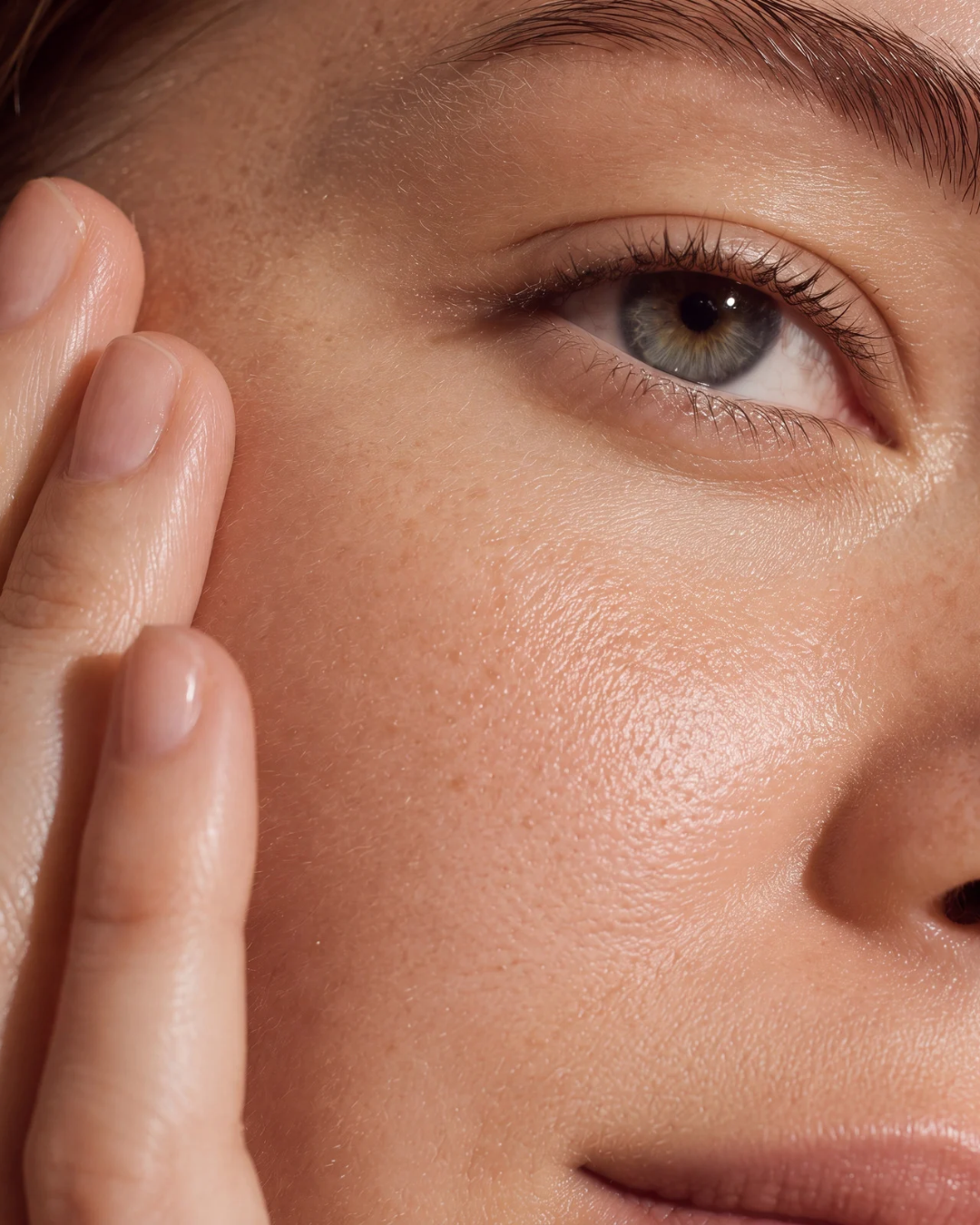
Treatment begins with an evaluation of your skin to identify the types of scarring present, confirm that active acne is under control, and review your history, including any recent acne medications. From there your provider recommends a plan, which may be a single treatment or a combination, and tells you roughly how many sessions to expect.
The experience during treatment depends on the treatment. Microneedling and laser sessions usually take 30 to 60 minutes, topical numbing may be used for comfort, and most patients describe a warm, prickling sensation. Afterward, skin is typically red and feels like a mild sunburn for one to three days, and light peeling or flaking can follow for several days after laser or peel treatments. Most people return to normal activities right away and can wear makeup after the first day.
Sun protection is not optional, especially with acne scars. Sun exposure on healing skin darkens discoloration and can undo the progress you are making on brown spots. Daily broad-spectrum SPF is part of every acne scar treatment plan.
Your results
Improvement is gradual and builds over a series. Collagen takes weeks to form, so texture continues to improve for two to three months after each session, and most plans involve three to six sessions spaced about four weeks apart. Discoloration usually responds faster than texture. Your provider will estimate the number of sessions for you at your evaluation.
It is important to have realistic expectations. Acne scar treatment improves scars, it does not erase them. Rolling scars, boxcar scars, and discoloration can improve significantly, while deep ice pick scars improve less. Keeping acne under control and protecting your skin from the sun are what hold your results over time.
Frequently asked questions
-
There is no single best treatment, because acne scars come in different types. Depressed texture scars usually respond to microneedling and laser, while red and brown discoloration responds to BBL, peels, and gentle laser. Most plans combine more than one treatment, and your evaluation determines which ones fit your skin.
-
Cost depends on which treatments your plan includes and how many sessions you need. Acne scar treatment is considered cosmetic and is not typically covered by insurance. The clearest way to get a number is an evaluation, where we look at your skin and give you a personalized plan and quote.
-
Yes. Microneedling is one of the most established treatments for rolling and boxcar acne scars. It stimulates new collagen that fills in and softens depressed scars over a series of sessions, and it is suitable for a wide range of skin tones.
-
Acne scars can be improved significantly, but not erased. Most patients see a meaningful reduction in depth, texture, and discoloration over a treatment series. Deep ice pick scars are the most resistant and improve less than other types.
-
Most plans involve three to six sessions spaced about four weeks apart, depending on the treatment and the extent of scarring. Discoloration often improves faster than texture. The number is estimated for you at your evaluation.
-
Active acne is usually treated first. Scar treatments work best on skin that is no longer breaking out, and treating scars over active acne can make both worse. Because Derma is a dermatology practice, acne can be brought under control here while your scar treatment is planned.
-
Yes, with the right treatment. Microneedling works mechanically rather than with heat and is generally a good option across skin tones. Some laser and light treatments require adjusted settings or may not be appropriate for deeper skin tones, which is reviewed with you at your evaluation.