Chemical Peels in Baton Rouge at Derma
A controlled exfoliation that clears what is on the surface and prompts fresh skin underneath, matched to your skin and your goal.
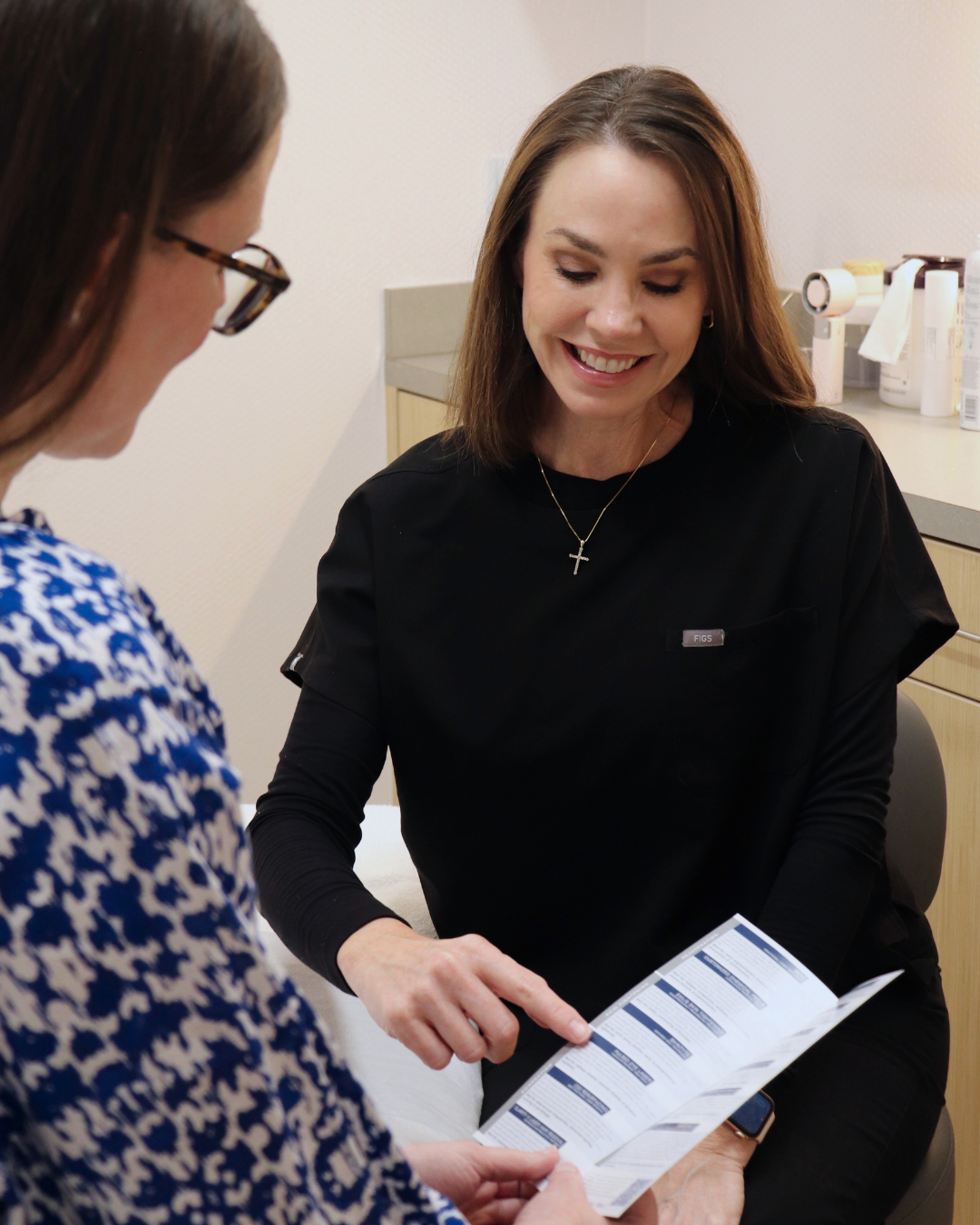
Skin renews itself constantly, but the process slows with age, sun, and breakouts, and the surface starts to show it: dullness, rough texture, clogged pores, dark spots, and fine lines. Chemical peels encourage cell turnover. They remove the damaged outer layers in a controlled way so that smoother, more even skin replaces them.
The right peel depends on what you are looking to address, your skin type, and how much recovery time you can accommodate. At Derma, treatment begins with an evaluation of your skin and your goal so the right peel, at the right depth, is chosen for you.
Call 225-303-9500 to Learn more!
What is a Chemical Peel?
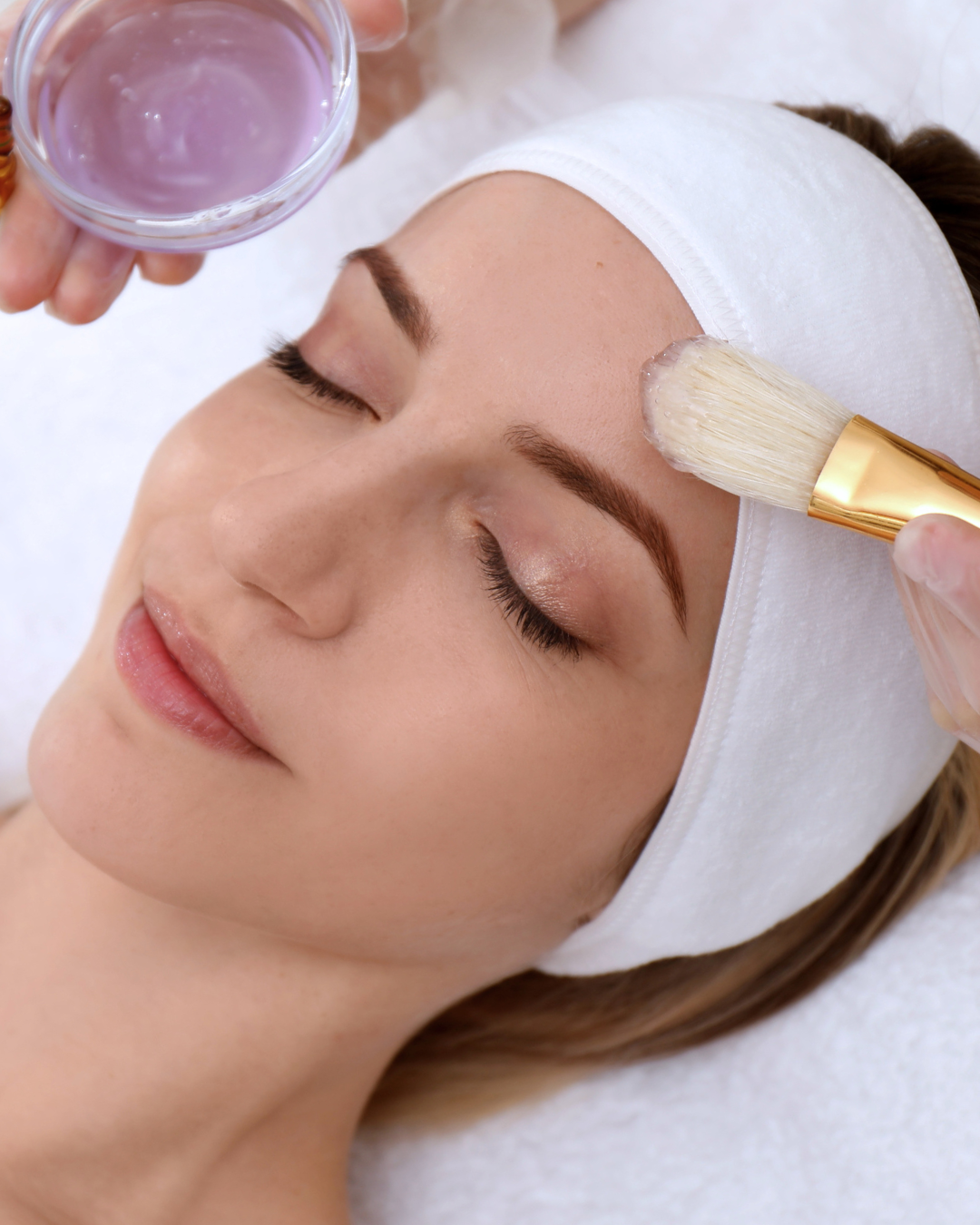
A chemical peel is a solution applied to the skin that loosens the bonds between dead and damaged surface cells so they shed over the following days. As that outer layer comes away, the skin underneath is smoother, clearer, and more even, and the process also stimulates new collagen in the layers below.
The strength of the solution and how long it stays on determine the depth of the peel. Light peels work on the outermost layer and can be repeated often. Medium peels reach further, treat more, and need more recovery. Which depth is right depends on your skin type, your skin tone, and what you are treating.
Peels are also used as maintenance between other treatments, keeping acne-prone skin clear and holding the results of laser or light treatments. They can be adjusted for deeper skin tones, where the ingredient and depth are chosen with extra care to avoid new dark marks.
What it Treats:
Patients are commonly evaluated for a chemical peel to address:
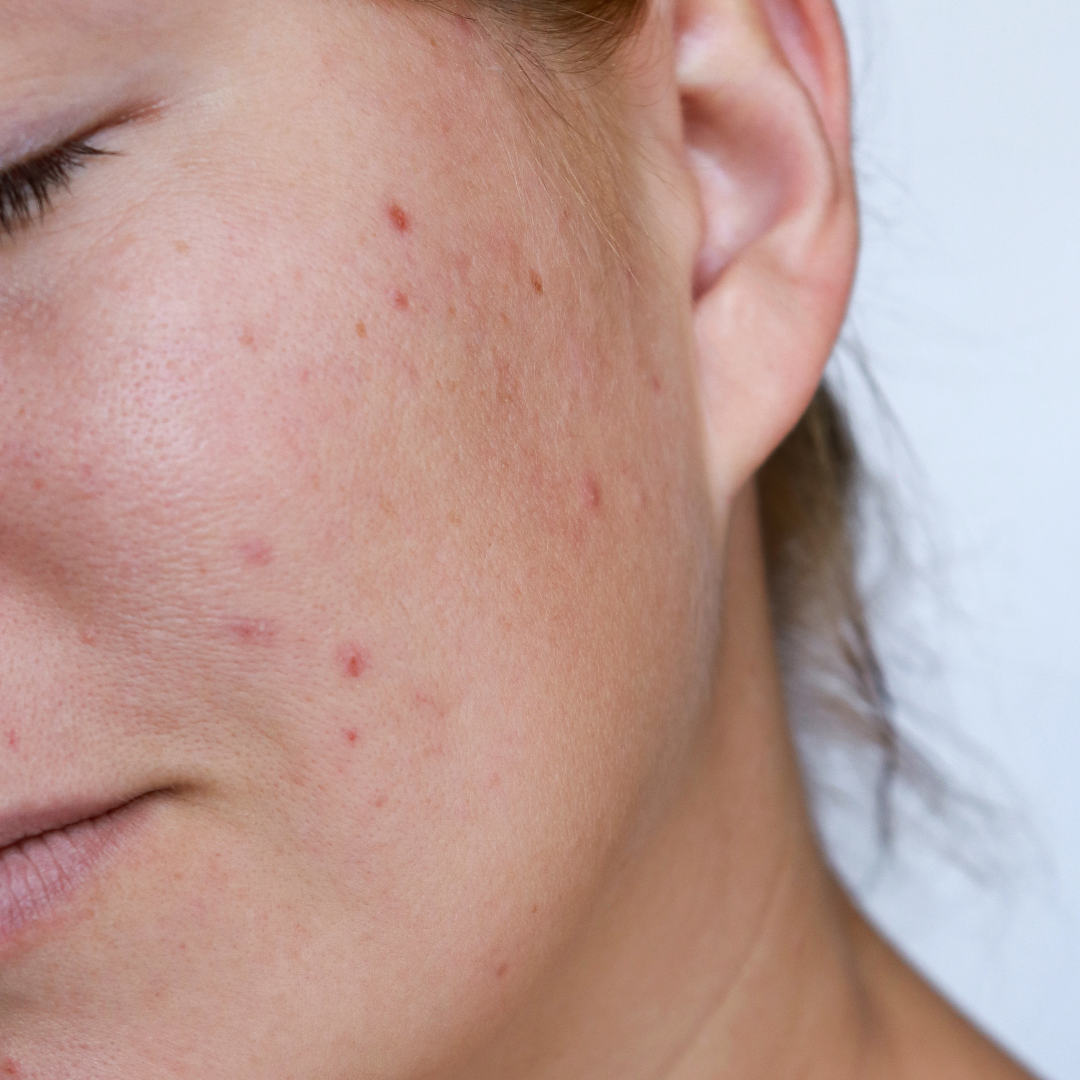
Active acne, clogged pores, and blackheads
Dark marks left behind after acne heals
Sun spots, freckling, and uneven skin tone
Certain cases of melasma, as part of a broader treatment plan
Fine lines and early signs of sun damage
Rough texture, dullness, and skin that no longer looks fresh
Mild acne scarring and enlarged pores
Why Choose a Chemical Peel
at Derma
The peel itself is only half the treatment. The other half is choosing the right one. The same acid at the wrong depth can leave acne-prone skin irritated, or leave a dark mark on skin that was being treated for dark marks. At Derma, peels are chosen after an evaluation, not from a menu.
Because Derma is a dermatology practice, a peel can be part of a larger plan. Active acne can be managed medically while peels keep the surface clear. Prescription creams for dark spots and melasma can be paired with peels that speed their results. Skin tone, sensitivity, and any products you are already using are part of the decision.
Types of chemical peels
Peels are named for their ingredient, their depth, or their brand. These are the chemical peels offered at Derma, from the lightest to the deepest. 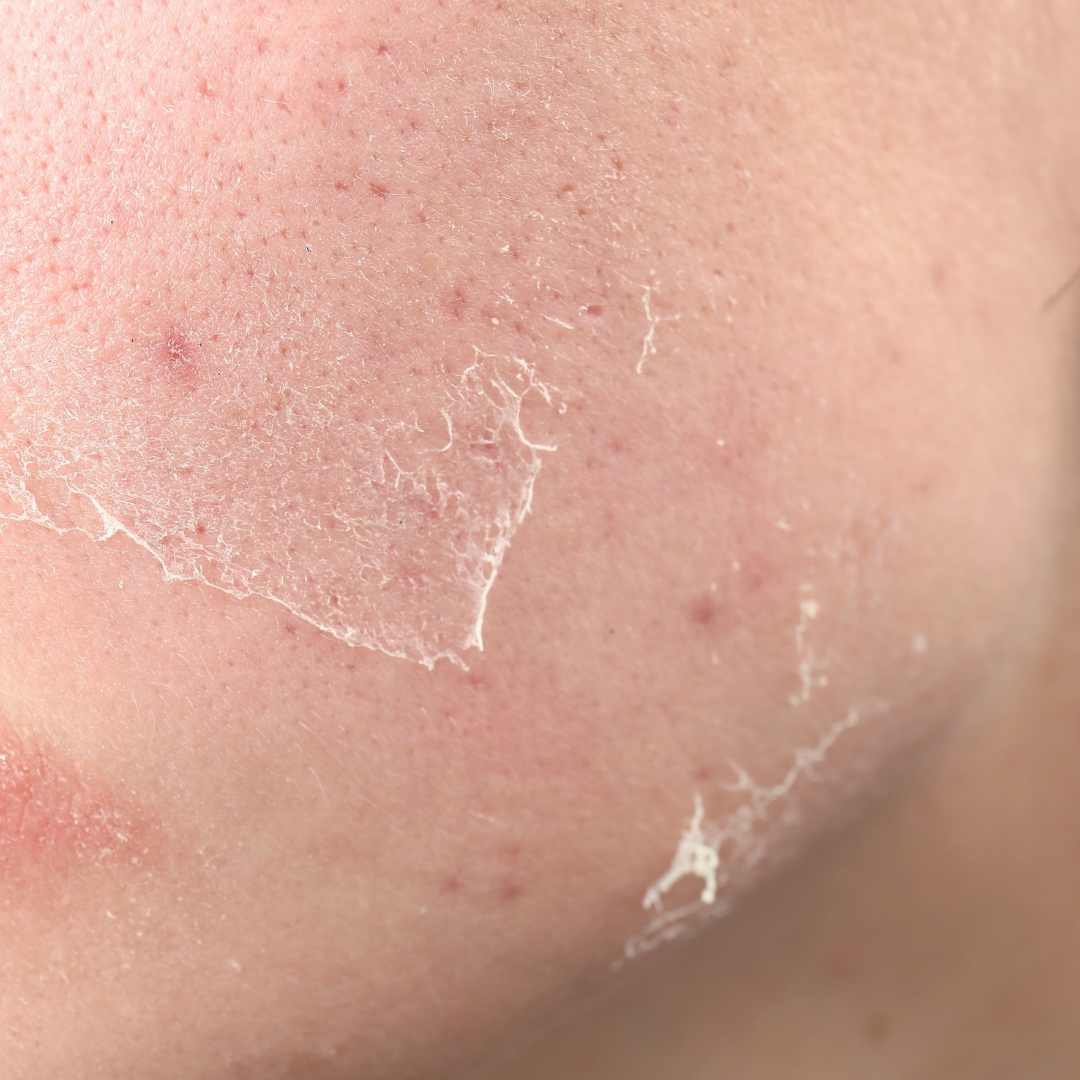
Light Peels
Light peels use gentle acids such as glycolic, lactic, or salicylic acid to refresh the outermost layer of skin. They brighten dull skin, help clear breakouts and clogged pores, and soften fine texture. There is little to no visible peeling, and most people go straight back to their day. Light peels are done in a series, often every two to four weeks.
Medium Peels
Medium peels use stronger solutions, often TCA (trichloroacetic acid) or a Jessner's blend, to reach deeper into the skin. They treat sun damage, dark spots, fine lines, and mild scarring more effectively than a light peel, and produce several days of visible peeling as the skin renews. Medium peels are done less often, usually a few times a year.
Peels for acne and
acne-prone skin
Salicylic acid peels are the workhorse for acne. Salicylic acid dissolves oil and gets into pores, which is why it clears blackheads and breakouts that surface-level products cannot reach. These are often paired with medical acne treatment at Derma and repeated as maintenance.
ZO Stimulator Peel
The ZO Stimulator Peel is a light, no-downtime peel built on a blend of glycolic, lactic, and citric acids. It brightens dull skin, smooths fine texture, and helps keep pores clear, and it is gentle enough for sensitive skin and deeper skin tones. There is little to no visible peeling, so it fits easily into a lunch hour. It works best in a series, typically every two to four weeks, and as maintenance between stronger treatments.
Jessner’s Peel
A Jessner’s peel combines salicylic acid, lactic acid, and resorcinol into a light-to-medium peel that is especially effective for acne, oily skin, and the dark marks left behind after breakouts. Salicylic acid gets into pores and dissolves oil, while lactic acid brightens and smooths. Expect mild redness and light flaking or peeling for three to five days. It is often paired with medical acne treatment at Derma and repeated every few weeks until the skin is clear.
TCA Peel
TCA (trichloroacetic acid) is a medium-depth peel that reaches further into the skin than a Jessner’s or light peel. It treats sun damage, sun spots, fine lines, uneven tone, and mild acne scarring more effectively than lighter peels. Skin is red and tight for a day or two, then peels visibly for three to seven days as the new surface comes in. Because the result is bigger, TCA peels are done less often, usually a few times a year with full recovery between them.
Melanage Peel
The Melanage peel is designed specifically for melasma and stubborn hyperpigmentation. It is applied in the office as a mask and left on for several hours at home, followed by a short course of at-home products to continue lightening the pigment. Skin peels for three to seven days, and improvement in tone continues over the following weeks. It is a good option for deeper skin tones, where many peels carry a risk of new dark marks, and it is often combined with prescription creams for melasma at Derma. Availability is limited.
PCA Sensi Peel
The Sensi Peel from PCA Skin is a gentle peel that pairs a low concentration of TCA with lactic acid and brightening agents. It was designed for sensitive skin, rosacea-prone skin, and deeper skin tones that react poorly to stronger peels, and it still improves tone, dark spots, and texture. Redness is mild and short-lived, with light flaking for a few days at most. It can be repeated every three to four weeks.
PCA Body Peel
Skin on the body is thicker than the face and needs a stronger formula. The PCA Body Peel is made for the chest, back, arms, and legs, and treats body acne, rough bumps, keratosis pilaris, and sun spots and uneven tone on the arms and chest. Peeling is light and lasts several days, and it is usually done in a series.
What to expect
Treatment begins with an evaluation of your skin and your goals, and a review of your history, including any medication you take, retinoid use, or recent procedures, since some of these affect when a peel can be done safely. Your provider recommends a peel and a depth, and may ask you to prepare your skin with specific products for a week or two before a stronger peel.
The peel itself is quick, usually 20 to 30 minutes. The skin is cleansed, the solution is applied, and you will feel tingling, warmth, or a mild sting that fades within minutes. Afterward, a light peel leaves skin pink for a few hours with little or no flaking. A stronger peel leaves skin red and tight for a day or two, then peels visibly for three to seven days. Do not pick or pull at peeling skin, keep it moisturized, and skip active skincare until it settles.
Sun protection is not optional. Freshly peeled skin is more sensitive to the sun, and unprotected exposure can leave dark marks that undo the result. Daily broad-spectrum SPF and staying out of direct sun for the first week are part of every peel.
Your results
A light peel gives a brighter, smoother look almost immediately, and results build over a series. A medium peel shows its result once peeling finishes, usually within a week, with continued improvement in tone and texture over the following month as new collagen forms.
It is important to have realistic expectations. Peels improve the surface of the skin and can significantly improve tone, texture, and breakouts, but they do not fill deep scars or tighten loose skin. Results last as long as the skin is protected from the sun and maintained, and most people plan on a series or a periodic maintenance peel rather than a single visit.
Frequently asked questions
-
A chemical peel is a solution applied to the skin that removes damaged outer layers in a controlled way. As those layers shed over the following days, smoother and more even skin replaces them. Peels range from light, no-downtime treatments to stronger peels with several days of visible peeling.
-
Cost depends on the type and depth of the peel and whether it is a single treatment or a series. Chemical peels are a cosmetic treatment and are not covered by insurance. The clearest way to get a number is an evaluation, where we look at your skin and give you a personalized plan and quote.
-
It depends on the depth. Light peels are typically done every two to four weeks in a series, then as maintenance. Stronger peels are done a few times a year at most, with full recovery between them. Your provider sets the schedule based on your skin and your goal.
-
Most people feel tingling, warmth, or a mild sting while the solution is on the skin, which fades within minutes. Light peels are very well tolerated. Stronger peels feel more intense for a short time, and cooling is used for comfort.
-
A light peel leaves skin pink for a few hours with little or no flaking. A stronger peel causes redness for a day or two followed by three to seven days of visible peeling. Most people return to normal activities right away and can wear makeup once peeling has stopped.
-
Yes, when the right peel is chosen. Deeper skin tones are more prone to dark marks after inflammation, so lighter peels and specific ingredients are used, and the skin is often prepared beforehand. Your evaluation covers which peels are safe for your skin tone.
-
Keep the skin moisturized, do not pick or pull at peeling skin, avoid exfoliants and active skincare until the skin settles, and protect it from the sun with broad-spectrum SPF. You will receive written instructions at your visit.